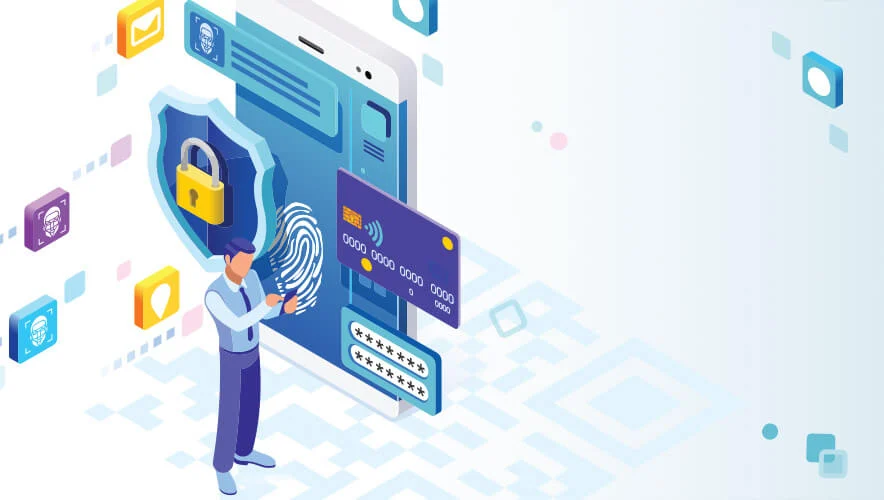
In today’s fast-paced digital world, mobile applications have become an integral part of our lives. From banking and healthcare to social media and e-commerce, we rely on mobile apps for a multitude of tasks. With this increasing reliance on mobile apps, ensuring the security of user data and transactions is paramount. Authentication methods play a crucial role in safeguarding this sensitive information. But what does the future hold for mobile app authentication methods? In this article, we’ll explore the emerging trends and innovations that are shaping the future of mobile app authentication.
The Current Landscape
Before diving into the future, let’s briefly review the current authentication methods used in mobile apps:
- Password-Based Authentication: This method involves users entering a username and password to access their accounts. However, it’s prone to security risks such as password breaches and user forgetfulness.
- Two-Factor Authentication (2FA): 2FA adds an extra layer of security by requiring users to provide a second piece of information, typically a one-time code sent to their mobile device.
- Biometric Authentication: Fingerprint and facial recognition have become increasingly popular, providing convenient and secure ways to access mobile apps.
- Multi-Factor Authentication (MFA): MFA combines two or more authentication factors (e.g., something you know, something you have, something you are) for enhanced security.
The Future Trends
So, what can we expect in the future of mobile app authentication methods? Here are some trends that are already shaping the landscape:
- Behavioral Biometrics: This innovative approach analyzes user behavior, including typing patterns and touchscreen gestures, to verify identity. It offers continuous authentication, making it difficult for impostors to gain access.
- Passwordless Authentication: The era of remembering complex passwords may soon come to an end. Passwordless authentication methods, such as email or SMS verification links, push notifications, and biometrics, are gaining traction.
- Blockchain-Based Authentication: Blockchain technology is known for its security and immutability. Some mobile apps are exploring decentralized identity solutions, where users have control over their own identity and authentication.
- AI-Powered Authentication: Artificial intelligence can analyze user behavior and device patterns to detect anomalies and potential security threats, enhancing authentication security.
- Tokenization: Token-based authentication is becoming more prevalent, where temporary tokens are used instead of sensitive data like credit card numbers or passwords.
- Continuous Authentication: Instead of a one-time login, continuous authentication systems constantly monitor user behavior and request reauthentication when suspicious activities are detected.
The Benefits of These Trends
The shift toward these emerging authentication methods brings several benefits to both users and app developers:
- Enhanced Security: These methods provide stronger security measures, reducing the risk of unauthorized access and data breaches.
- Improved User Experience: Passwordless and biometric authentication methods offer a seamless and frictionless login experience for users, increasing app adoption and user satisfaction.
- Reduced Password-Related Issues: The elimination of traditional passwords reduces the need for password resets, which can be a frustrating experience for users.
- Adaptability to New Technologies: As new technologies like wearables and IoT devices become more prevalent, these authentication methods can easily adapt to accommodate them.
Challenges Ahead
While the future of mobile app authentication methods looks promising, there are challenges to overcome. Ensuring the privacy of user data, protecting against emerging threats, and maintaining user trust are paramount. App developers and security experts must work collaboratively to address these challenges.
Conclusion
In conclusion, the future of mobile app authentication methods is marked by innovation and a commitment to improving security and user experience. As technology continues to advance, we can expect to see even more sophisticated and user-friendly authentication solutions emerge, making our mobile app interactions both secure and convenient. Mobile app developers must stay vigilant, adapt to these trends, and prioritize user security in their application design and development processes.