Avoid These 10 Common Ecommerce Website Mistakes to Succeed in Pakistan
Pakistan’s ecommerce landscape is booming. With millions of new users coming online every year, the opportunity for online businesses has never been greater. However, this digital gold rush also means more competition. Simply having a website isn’t enough to guarantee success; you need a website that is strategic, user-friendly, and trustworthy.
Unfortunately, many aspiring entrepreneurs and even established businesses in Pakistan fall into common traps that sabotage their online stores before they even have a chance to flourish. These mistakes can lead to high bounce rates, abandoned carts, and ultimately, lost revenue.
At Bloom & Brew, we’ve seen it all. In this comprehensive guide, we’ll walk you through the top 10 ecommerce website mistakes we see businesses make in the Pakistani market and provide actionable advice on how to avoid them.
Mistake 1: Neglecting the Mobile-First Experience
Why Mobile is King in Pakistan
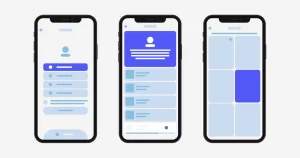
In Pakistan, the vast majority of internet users access the web through their smartphones. If your website is not optimized for mobile, you’re not just providing a subpar experience; you’re actively turning away most of your potential customers. A desktop-first design that simply “shrinks” to a mobile screen often results in tiny text, difficult-to-tap buttons, and a frustrating navigation experience.
How to Fix It
- Design for Mobile First: Start your design process with the mobile layout and then adapt it for larger screens like tablets and desktops. This ensures the core experience is seamless for the majority of your users.
- Test Thoroughly: Use your own phone and ask friends to test your website on different devices (both Android and iOS) and browsers.
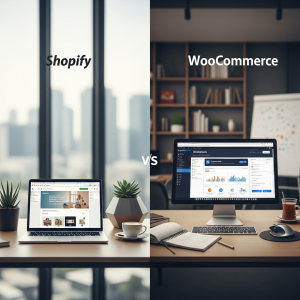
- Use a Responsive Theme: If you’re using a platform like Shopify or WooCommerce, choose a theme that is explicitly advertised as “responsive” or “mobile-first.”
- Simplify Navigation: Use a clear, concise mobile menu (like a hamburger menu) and ensure buttons and links are large enough to be tapped easily with a thumb.
Mistake 2: A Long and Complicated Checkout Process
The Cart Abandonment Crisis
A customer has browsed your products, added items to their cart, and is ready to buy. This is the final, most crucial step. A complicated checkout process is the number one reason for cart abandonment. Asking for too much information, requiring users to create an account, or having a multi-page form that seems endless will send your customers running to a competitor.
Streamlining Your Checkout for Pakistani Buyers
- Offer Guest Checkout: Don’t force users to create an account. Give them a quick and easy guest checkout option. You can always ask them to create an account on the “Thank You” page.
- Keep it to One Page: If possible, condense your entire checkout process onto a single, clean page.
- Show Progress: If you must have multiple steps, use a progress bar (e.g., Shipping > Payment > Confirmation) so customers know where they are in the process.
- Include Local Payment Gateways: Offer a variety of payment options popular in Pakistan. This includes Cash on Delivery (COD), bank transfers, and local digital wallets like JazzCash and Easypaisa, alongside credit/debit cards.
Mistake 3: Poor Product Imagery and Vague Descriptions
Your Digital Showroom
In a physical store, customers can touch, feel, and inspect a product. Online, your product photos and descriptions are the only tools you have to replicate that experience. Low-resolution images, pictures taken in poor lighting, or a single photo from one angle do not inspire confidence. Similarly, generic or non-existent descriptions fail to answer the customer’s questions.
How to Showcase Your Products Effectively
- Invest in High-Quality Photography: Use a good camera or even a modern smartphone to take clear, well-lit photos from multiple angles. Showcase the product in use if possible.
- Enable Zoom Functionality: Allow customers to zoom in on images to see details and textures.
- Write Compelling Descriptions: Don’t just list specs. Tell a story. Explain the benefits of the product. Include key details like dimensions, materials, and care instructions. Use bullet points for easy scanning.
- Consider Product Videos: A short video demonstrating the product can significantly boost conversion rates.
Mistake 4: Surprise Costs and Unclear Shipping Policies
The Trust Killer: Hidden Fees
There’s nothing more frustrating for a customer than reaching the final stage of checkout only to be hit with unexpected shipping fees or taxes. This practice feels deceptive and is a major cause of cart abandonment. Transparency is key to building trust with your audience.
Building Transparency with Shipping
- Be Upfront About Costs: Display shipping costs early in the process, either on the product page or in the shopping cart.
- Offer Free Shipping: If feasible, offer free shipping above a certain order value (e.g., “Free shipping on orders over PKR 5,000”). This is a powerful incentive.
- Have a Clear Shipping Policy Page: Create a dedicated page that explains your shipping methods, estimated delivery times for different cities in Pakistan (e.g., Karachi, Lahore, Islamabad), and which courier services you use (e.g., TCS, Leopards).
Mistake 5: Ignoring Search Engine Optimization (SEO)
“If You Build It, They Will Come” is a Myth
You can have the most beautiful website in the world, but if no one can find it, it’s useless. SEO is the process of optimizing your website to rank higher in search engine results on Google. Without a basic SEO strategy, you are invisible to the thousands of potential customers in Pakistan searching for the products you sell.
Basic SEO for Pakistani Ecommerce
- Keyword Research: Identify the terms Pakistanis are using to search for your products. Use tools to find relevant keywords with good search volume.
- Optimize Product Pages: Include your target keywords naturally in your product titles, descriptions, and image alt-text.
- Create Unique Content: Start a blog to write about topics related to your products. For example, a fashion brand could write about “Styling a Kurta for Summer Weddings.”
- Focus on Local SEO: If you have a physical presence, optimize for local searches like “best smartphone shop in Lahore.”
Mistake 6: Confusing Website Navigation and UX
Don’t Make Your Customers Think
A user’s journey on your website should be effortless and intuitive. If they have to struggle to find the search bar, figure out your product categories, or locate the contact information, they will get frustrated and leave. Good User Experience (UX) design guides the customer smoothly from discovery to purchase.
Tips for Intuitive Navigation
- Logical Categories: Organize your products into clear, logical categories and subcategories. A clothing store might have categories like “Men,” “Women,” and “Kids,” with subcategories like “Kurtas,” “T-Shirts,” and “Trousers.”
- Prominent Search Bar: Make your search bar highly visible, especially on mobile. Ensure it has auto-complete and filter functions.
- Clear Calls-to-Action (CTAs): Use clear, action-oriented buttons like “Add to Cart,” “Buy Now,” and “View Details.” Make them stand out with a contrasting color.
Mistake 7: Lack of Social Proof and Customer Reviews
Why Trust is Your Most Valuable Currency
In a market where trust is paramount, social proof is non-negotiable. Customers want to know that other people have bought from you and had a good experience. A website with no reviews, testimonials, or user-generated content feels risky and unproven.
How to Encourage and Display Reviews
- Implement a Review System: Use built-in features or plugins on your ecommerce platform to allow customers to leave reviews on product pages.
- Automate Review Requests: Set up an automated email to be sent a week or two after a customer receives their order, asking them to leave a review.
- Showcase Testimonials: Display your best customer testimonials prominently on your homepage.
- Leverage Social Media: Share positive comments and user-generated photos from Instagram and Facebook on your website.
Mistake 8: Slow Page Load Speed
The Need for Speed
In the age of fast internet, patience is thin. Studies show that even a one-second delay in page load time can lead to a significant drop in conversions. A slow, lagging website frustrates users and makes your brand seem unprofessional. This is especially true on mobile networks, which can be less reliable.
How to Speed Up Your Website
- Optimize Images: Compress your product images before uploading them. Use tools to reduce their file size without sacrificing too much quality.
- Choose Good Hosting: Don’t cheap out on web hosting. Choose a reliable provider, preferably one with servers located in or near the region for faster response times.
- Minimize Plugins/Apps: Too many apps or plugins on your site (especially on platforms like Shopify or WooCommerce) can slow it down. Only use what is essential.
Mistake 9: A Missing or Vague Return Policy
Reducing Buyer Hesitation
One of the biggest anxieties of online shopping is, “What if I don’t like it?” or “What if it doesn’t fit?” A clear, fair, and easy-to-find return policy alleviates these fears and gives customers the confidence to make a purchase. Hiding your policy or making it overly restrictive will deter potential buyers.
Crafting a Fair Return Policy
- Make it Easy to Find: Link to your return policy in your website’s footer and on product pages.
- Use Simple Language: Avoid legal jargon. Clearly state the return window (e.g., 7 days, 14 days), the conditions for a return, and who pays for the return shipping.
- Outline the Process: Explain step-by-step how a customer can initiate a return.
Mistake 10: Inaccessible Customer Support
The Human Connection
When customers have a question or a problem, they want help quickly. Hiding your contact information or only offering a slow email response creates a poor experience. Excellent customer service can turn a potential problem into a reason for a customer to become loyal to your brand.
Offering Support That Converts
- Provide Multiple Channels: Offer support through various channels popular in Pakistan, such as a phone number, email, and especially WhatsApp.
- Consider Live Chat: A live chat widget on your site can answer pre-sale questions instantly, helping to close a sale.
- Create an FAQ Page: A comprehensive FAQ page can answer common questions about shipping, payments, and returns, reducing the load on your support team.
Navigating the world of ecommerce can be challenging, and avoiding these common mistakes is a critical first step toward building a sustainable and profitable online business. It requires a thoughtful approach to design, technology, and, most importantly, the customer experience.
Feeling a bit overwhelmed? You don’t have to do it alone. At Bloom & Brew, we specialize in crafting high-performance ecommerce websites tailored for the Pakistani market. From SEO to user experience, we help businesses like yours avoid the pitfalls and build online stores that not only look great but also drive sales. Let’s have a chat about how we can help your business blossom online.
Conclusion
Building a successful ecommerce brand in Pakistan is a marathon, not a sprint. By focusing on a seamless mobile experience, a simple checkout, transparent policies, and building trust, you set a strong foundation for growth. Take the time to audit your own website against this list. Each improvement you make, no matter how small, is a step toward providing a better experience for your customers and achieving your business goals.
FAQs About Building a Successful Ecommerce Store in Pakistan
Why is Cash on Delivery (COD) still so important in Pakistan?
COD remains a crucial payment method in Pakistan due to several factors. Many customers are still hesitant to share their credit card details online due to security concerns. Furthermore, a significant portion of the population is unbanked or underbanked. Offering COD builds trust and caters to a much wider audience, making it essential for most ecommerce businesses.
How fast should my ecommerce website load?
Ideally, your website should load in under 3 seconds. For ecommerce, every second counts. A load time of 1-2 seconds is excellent, while anything over 4-5 seconds will lead to a high bounce rate. Focus on optimizing images and using efficient code and good hosting to achieve better speeds.
What’s the first thing I should fix on my ecommerce site?
Start with your mobile experience and checkout process. Since the majority of your traffic will likely come from mobile devices, ensuring your site is easy to use on a small screen is priority number one. After that, simplify your checkout process to minimize cart abandonment, as this has the most direct impact on your revenue.
Do I really need a blog for my online store?
While not strictly necessary to start, a blog is a powerful tool for long-term growth. It’s one of the best ways to improve your SEO by targeting relevant keywords, answering customer questions, and establishing your brand as an expert in your niche. This drives organic traffic to your store for free.
How can I build trust with my customers in Pakistan?
Trust is built through transparency and consistency. Key methods include: displaying clear contact information (phone number/WhatsApp), having an easy-to-understand return policy, showcasing authentic customer reviews and testimonials, providing secure payment options, and offering responsive customer service. Being transparent about all costs, including shipping, is also vital.