Choosing the Best CMS: A Pakistani Business Owner’s Guide to Building a Winning Website
In today’s digital-first world, your website is more than just an online brochure; it’s your virtual storefront, your lead generation engine, and the digital face of your brand. For any business in Pakistan, from a bustling Karachi startup to an established Lahore enterprise, a powerful and flexible website is non-negotiable. But how do you build one without being a coding expert? The answer lies in a Content Management System, or CMS.
Choosing the right CMS platform is one of the most critical decisions you’ll make for your online presence. It determines how easily you can update your content, how well you rank on Google, and how your business can scale in the future. With so many options available, the choice can feel overwhelming. This guide is here to help. We’ll break down the best CMS platforms for business websites, comparing their features, pros, and cons specifically for the Pakistani market.
What is a CMS and Why Does Your Business Need One?
A Content Management System (CMS) is a software application that allows you to create, manage, and modify digital content without needing specialized technical knowledge. Think of it as the user-friendly dashboard behind your website. Instead of writing complex code to change a line of text or upload a new product image, you use a simple interface, much like writing a document in Microsoft Word.
Here’s why a CMS is essential for modern businesses:
- Effortless Content Updates: Easily add blog posts, update service pages, change prices, and post company news without calling a developer.
- No Coding Required (Mostly): The core functionality of a CMS is designed for non-technical users. You can manage your entire site without ever looking at a line of code.
- Collaboration Made Easy: Multiple team members can be given different levels of access to work on the website simultaneously.
- SEO-Friendly Features: Most modern CMS platforms come with built-in tools or easy-to-add plugins that help you optimize your site for search engines like Google.
- Scalability: The right CMS can grow with your business, allowing you to add new features and functionality as your needs evolve.
Key Factors to Consider When Choosing a CMS in Pakistan
Before diving into the platforms themselves, it’s important to know what you’re looking for. Your business goals will dictate which CMS is the best fit. Here are the key factors to evaluate:
Ease of Use
How intuitive is the platform? A simple, user-friendly interface means you and your team can manage the website quickly and efficiently, saving time and reducing the need for extensive training.
Scalability
Consider your five-year plan. Will your website need to handle more traffic, more products, or more complex features in the future? Choose a platform that won’t hold your business back as it grows.
SEO Capabilities
Your website needs to be visible on search engines to attract customers. A good CMS should offer features like customizable URLs, meta tags, alt text for images, and the ability to integrate with powerful SEO plugins or tools.
E-commerce Functionality
For many businesses in Pakistan, selling online is a primary goal. If this is you, evaluate the platform’s e-commerce capabilities. How easy is it to add products, manage inventory, and, most importantly, integrate with local payment gateways that your customers trust?
Customization and Design Flexibility
Your website should reflect your unique brand identity. A flexible CMS will offer a wide range of design templates and allow for deep customization, ensuring your site doesn’t look like a generic template.
Cost and Budget
Your budget is a crucial factor. Consider both the initial setup cost and ongoing expenses, which can include hosting, domain names, premium themes, plugins, and potential transaction fees for e-commerce platforms.
Security and Support
In an age of increasing cyber threats, website security is paramount. Look for a platform with a strong security track record and regular updates. Furthermore, consider the level of customer support available. When something goes wrong, you want to know that help is readily available.
Top CMS Platforms Compared for Pakistani Businesses
Now, let’s compare the heavyweights in the CMS world and see how they stack up for businesses operating in Pakistan.
WordPress: The All-Rounder
Powering over 43% of all websites on the internet, WordPress is the undisputed king of CMS platforms. It started as a blogging tool but has evolved into a powerful system capable of running any type of website imaginable. It’s an open-source platform, which means it’s free to use, but you will need to pay for web hosting and a domain name.
Pros:
- Unmatched Flexibility: With a vast library of over 59,000 plugins and thousands of themes, you can build anything from a simple business site to a complex online marketplace. For e-commerce, the WooCommerce plugin is a robust and popular choice in Pakistan.
- Powerful SEO: WordPress is built with SEO in mind. Combined with plugins like Yoast SEO or Rank Math, you have granular control over your on-page optimization.
- Huge Community: A massive global and local community means finding tutorials, support, and professional WordPress developers in Pakistan is incredibly easy.
- Full Ownership: You have complete control and ownership of your website and all its data.
Cons:
- Learning Curve: While user-friendly, it’s not as simple as drag-and-drop builders. There’s a learning curve to understanding its full potential.
- Maintenance Responsibility: You are responsible for website security, backups, and updating the software, themes, and plugins.
Best for: Virtually any business in Pakistan. It’s the perfect choice for content-heavy sites, blogs, corporate websites, and scalable e-commerce stores that require high levels of customization.
Shopify: The E-commerce King
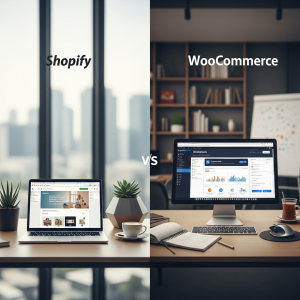
If your primary goal is to sell products online, Shopify is a platform built from the ground up for e-commerce. It’s a fully hosted, all-in-one solution, which means you pay a monthly fee, and Shopify handles all the technical aspects like hosting, security, and updates.
Pros:
- Incredibly Easy to Use: Setting up an online store is straightforward and fast. The interface is clean and designed for beginners.
- Excellent for E-commerce: It has best-in-class features for product management, inventory tracking, and order fulfillment.
- Payment Gateway Integration: Shopify integrates well with international gateways like Stripe and 2Checkout, and various local payment solutions can be integrated, making it easier to accept payments from Pakistani customers.
- Superb Support: Shopify offers 24/7 customer support via phone, email, and live chat.
Cons:
- Less Content Flexibility: While it has a blog, its content management features are not as robust as WordPress. It’s an e-commerce platform first and a CMS second.
- Transaction Fees: Unless you use Shopify Payments (not fully available in Pakistan), Shopify charges a transaction fee on sales made through third-party payment gateways.
- Cost: The monthly subscription fees, plus the cost of premium apps, can add up.
Best for: Businesses in Pakistan focused primarily on e-commerce, from small boutiques to large online retailers who want a hassle-free, secure, and scalable platform to sell their products.
Wix: The User-Friendly Website Builder
Wix is a popular cloud-based website builder known for its simplicity and intuitive drag-and-drop interface. Like Shopify, it’s an all-in-one solution where your monthly fee covers hosting and support.
Pros:
- Extremely Beginner-Friendly: Its visual, drag-and-drop editor allows you to build a beautiful website without any technical skills. What you see is what you get.
- Hundreds of Templates: Wix offers a vast selection of professional-looking templates for almost every industry.
- All-in-One Solution: No need to worry about hosting, security, or technical maintenance; Wix handles it all.
Cons:
- Limited Scalability: While great for small sites, Wix can become restrictive as your business grows and your needs become more complex.
- Difficult to Migrate: Once you build your site on Wix, it’s very difficult to move it to another platform later.
- SEO Can Be Limiting: While Wix’s SEO tools have improved significantly, they still don’t offer the same level of depth and control as WordPress.
Best for: Small businesses, freelancers, artists, and service-based businesses in Pakistan (like consultants or photographers) who need a visually appealing, professional-looking website up and running quickly with minimal fuss.
Squarespace: The Design Champion
Squarespace has carved out a niche as the go-to platform for those who prioritize aesthetics and design. It is renowned for its award-winning, stunning templates that are mobile-responsive right out of the box.
Pros:
- Beautiful Design Templates: Squarespace is unmatched when it comes to clean, modern, and visually striking designs.
- Ease of Use: While slightly more structured than Wix’s drag-and-drop, its section-based editor is intuitive and easy to master.
- Strong All-in-One Features: It includes excellent blogging, e-commerce, and marketing tools built directly into the platform.
Cons:
- Less Customization: The focus on curated design means you have less creative freedom and fewer customization options compared to WordPress.
- Smaller App Ecosystem: It doesn’t have a massive plugin library like WordPress, limiting how much you can extend its functionality.
Best for: Creative professionals, restaurants, designers, and boutique businesses in Pakistan where visual presentation is paramount to the brand.
Making the Final Decision for Your Pakistani Business
The “best” CMS platform doesn’t exist. The *right* CMS platform for you depends entirely on your specific business needs, technical comfort level, and long-term goals.
- Choose WordPress if you want ultimate flexibility, scalability, and control for any type of website.
- Choose Shopify if your business is laser-focused on selling products online and you want a powerful, hassle-free e-commerce solution.
- Choose Wix or Squarespace if you are a small business or creative professional who needs a beautiful, simple website quickly and values ease of use over deep customization.
Choosing your CMS is a foundational step in building a successful online presence. Take the time to evaluate your options carefully against your business goals. A well-chosen platform will serve as a powerful asset, helping your business to flourish in the competitive Pakistani digital landscape.
Feeling overwhelmed by the options? Choosing the right technology is a big step. At Bloom & Brew, we specialize in crafting custom digital strategies and websites that help businesses grow. We can help you navigate these choices and build a website on the perfect platform for your unique needs. Let’s connect and discuss how we can bring your vision to life.
Frequently Asked Questions (FAQ)
1. What is the most popular CMS in Pakistan?
Just like the rest of the world, WordPress is by far the most popular CMS in Pakistan. Its flexibility, scalability, and the wide availability of local developers and resources make it the top choice for a vast range of businesses, from small blogs to large corporate and e-commerce websites.
2. Can I build an e-commerce website in Pakistan without Shopify?
Absolutely. The most popular alternative to Shopify is using WordPress with the WooCommerce plugin. This combination offers incredible flexibility, allowing you to build a fully customized online store. It gives you more control over design and functionality and avoids the monthly fees and transaction charges associated with Shopify, though you will be responsible for your own hosting and security.
3. How much does a CMS website cost?
The cost varies dramatically depending on the platform and your requirements. With open-source platforms like WordPress, the software is free, but you’ll pay for hosting (from a few dollars to hundreds per month), a domain name (around $10-20/year), and potentially premium themes or plugins ($50-$200+ each). With platforms like Shopify, Wix, or Squarespace, you pay a fixed monthly fee (typically from $15 to $300+) that includes hosting and support.
4. Do I need to know how to code to use a CMS?
For the most part, no. All the platforms discussed here are designed to be used by people without coding knowledge. You can create pages, add content, and manage your site using a user-friendly interface. However, knowing some basic HTML/CSS can be beneficial for making small custom tweaks, especially on a platform like WordPress.
5. Which CMS is best for SEO?
WordPress is widely regarded as the best CMS for SEO out of the box. Its structure is search engine friendly, and powerful plugins like Yoast SEO and Rank Math give you complete control over all critical SEO elements. That said, any modern CMS, including Shopify, Wix, and Squarespace, can be optimized to rank well on Google if you follow SEO best practices.